
hyaluronic acid
Absolutely! Here is an intensely detailed, scientific yet practical breakdown of Hyaluronic Acid (HA) Serum, covering biochemistry, skin interaction, different forms of HA, formulation, benefits, and myths.
💧 What is Hyaluronic Acid?
Hyaluronic Acid (HA) is a glycosaminoglycan, a long-chain sugar molecule naturally found in Skin, eyes, joints, and connective tissues. It’s known for its incredible water-retaining capacity—holding up to 1,000 times its weight in water, making it a powerful humectant.
About 50% of natural HA in the Skin is found in the dermis’s extracellular matrix, which maintains hydration, supports collagen and regulates inflammation.
🧪 Types of Hyaluronic Acid in Serums
TypeMolecular WeightFunctionAbsorption
High Molecular Weight HA (HMW-HA) >1,500 kDa Forms a hydrating film on the skin surface Surface-level hydration
Low Molecular Weight HA (LMW-HA) 50–300 kDa Penetrates into the epidermis Deeper hydration, plumps skin
Oligo HA / Hydrolyzed HA <50 kDa Penetrates deeper layers Temporary volume boost
Sodium Hyaluronate is a Salt form of HA that is more stable and often used in products. It Can be any size, most commonly small to medium MW.
Multimolecular HA serums combine different sizes for full-layer hydration.
🌿 Key Skin Benefits (with Mechanisms)
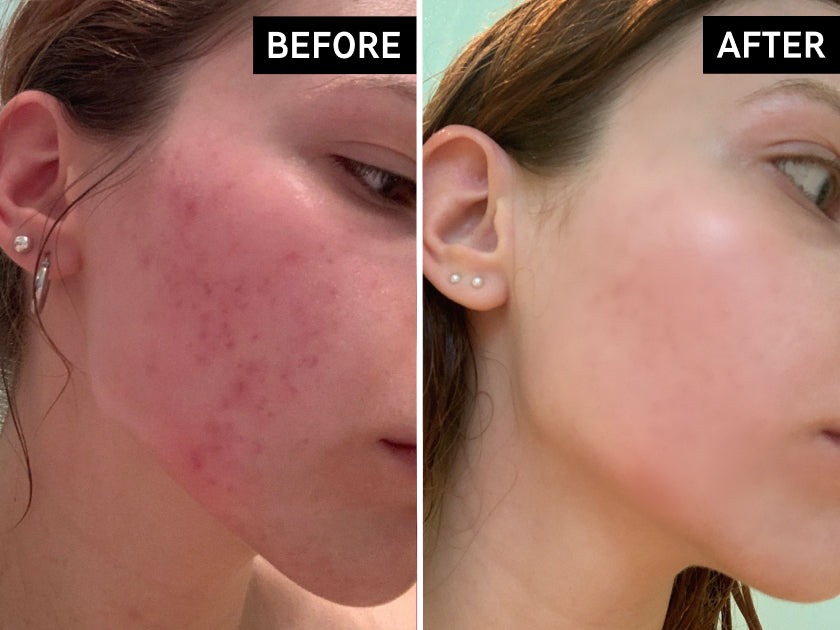
1. Deep Hydration
- HA draws moisture from the air and dermis into the epidermis.
- Enhances water content in the stratum corneum, preventing dryness and flaking.
2. Plumping Effect
- Hydrated skin cells expand, making fine lines and wrinkles less visible.
- It is particularly effective around the eyes and smile lines.
3. Skin Barrier Support
- HA improves lipid barrier function, protecting Skin from pollutants and transepidermal water loss (TEWL).
4. Soothing & Anti-inflammatory
- High-molecular HA reduces inflammatory cytokines (like IL-8).
- It is often used post-laser or peel due to its calming effects.
5. Wound Healing & Cell Regeneration
- Promotes keratinocyte migration and proliferation.
- Accelerates fibroblast activity in the dermis — critical for healing and tissue repair.
6. Compatibility with Other Actives
- HA is non-reactive, so it pairs well with retinol, vitamin C, AHAs, BHAs, and peptides.
- Often used as a buffer or carrier to reduce irritation in more potent formulas.
🧴 Formulation Strategy in Serums
ParameterIdeal Range
HA concentration 0.1–2% (more than 2% can feel sticky)
pH 4.5–6.5 (HA is pH-neutral and stable)
Texture: Lightweight gel or watery serum
Preservation HA is prone to bacterial growth → needs preservatives like phenoxyethanol.
HA must be applied to damp Skin and sealed with a moisturizer to avoid absorbing moisture (especially in dry climates).
🧫 Skin Physiology Impact
Skin LayerHA Action
Stratum Corneum Attracts water molecules, increasing flexibility
Epidermis Improves hydration, reduces barrier dysfunction
Dermis (with LMW-HA) Supports collagen matrix, maintains volume and turgor
4–6 weeks Increased smoothness, improved overall skin texture
HA is not occlusive like petrolatum; it works by drawing and retaining moisture, not sealing it in — hence the need for a moisturizer afterwards.
📈 Clinical Results (Evidence-Based)
TimeframeResults
Immediately, the Skin feels hydrated, plumper
1–2 weeks Reduction in fine lines, improved elasticity
HA replaces moisturizer No — HA pulls in water but needs emollients/occlusives to seal it.
Long-term Improved barrier function, less TEWL, firmer Skin
Studies show topical HA increases skin moisture by ~96% after 8 weeks and reduces wrinkle depth by 10–20% when used consistently.
⚠️ Common Myths & Truths
MythReality
HA can “dry out” your Skin Only if applied to dry Skin in dry air without a moisturizer.
More HA = better Above 2% can feel sticky; efficiency depends on molecular size, not just %
Injectable HA (fillers) = topical HA Injectables act in the dermis; serums affect the epidermis only.
🧴 Example of a High-Quality HA Serum INCI Breakdown
Aqua (Water), Sodium Hyaluronate (1.5%), Hydrolyzed Hyaluronic Acid (0.3%), Glycerin, Panthenol, Allantoin, Phenoxyethanol, Ethylhexylglycerin.
- Glycerin: Adds to humectant activity
- Panthenol/Allantoin: Soothes and supports skin barrier
- Preserved and pH-balanced
💡 Tips for Using Hyaluronic Acid Serum
- Apply to damp Skin (after cleansing or toner)
- Use 2–3 drops — more ≠ better
- Follow with a moisturizer to lock in hydration
- Use AM and PM safe daily
- Store away from heat/light (though HA is stable)
Would you like help:
- Designing your HA serum formula?
- Comparing HA serums from brands like The Ordinary, Vichy, or L’Oréal?
- Writing a product description for your skincare line?
Let me know how you’d like to go deeper!
