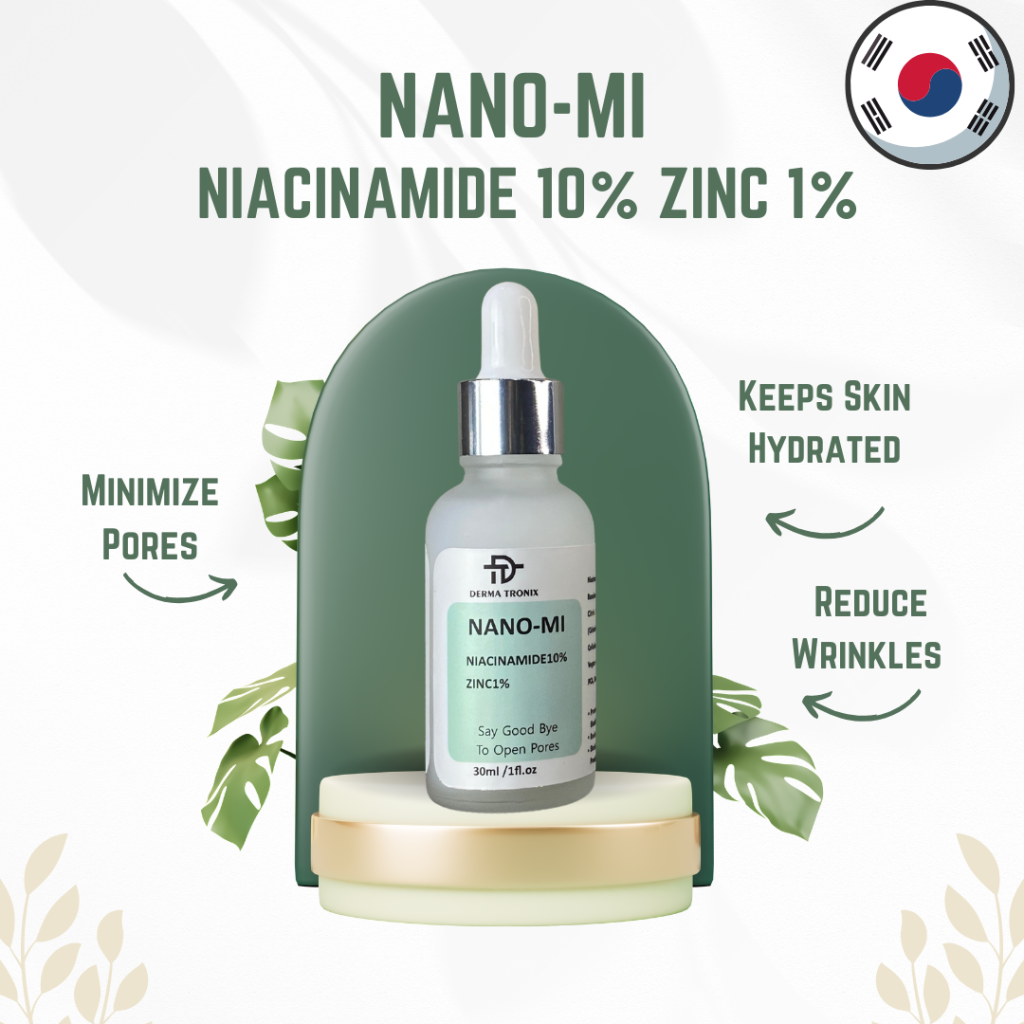
Niacinamide: What is it?
Niacinamide is one kind of vitamin B3 with several advantages for the skin. A frequent ingredient in cosmetic treatments, this water-soluble vitamin has.
Niacinamide (nicotinamide) is a form of vitamin B3, an essential nutrient for your body’s cellular functions. It’s water-soluble, meaning your body doesn’t store it. And please be sure to supply it regularly, either through diet or topical application.
The following properties:
🌟 Detailed Benefits of Niacinamide for Skin:
1. Strengthens the Skin Barrier:
Niacinamide stimulates ceramide production, an essential lipid that maintains the skin’s
protective barrier.
A more substantial barrier = less water loss, better moisture retention, and better
protection against environmental damage, like pollution and UV exposure.
2. Improves Moisture Retention:
It enhances the skin’s ability to retain moisture by boosting lipid production.
This results in plumper, softer, more hydrated skin, even without heavy oils.
3. Reduces Inflammation:
Niacinamide is anti-inflammatory and calms redness, irritation, and blotchiness.
It is ideal for people with rosacea, acne, or sensitive skin.
4. Minimizes Pores:
It helps regulate sebum (oil) production, preventing pores from stretching out and
appearing larger.
Regular use tightens the look of pores, giving smoother, more refined skin.
5. Evens Skin Tone & Fades Hyperpigmentation:
Niacinamide inhibits the transfer of melanin to skin cells, reducing dark spots, sun spots, and post-acne marks.
It’s often compared to ingredients like vitamin C for brightening, but with lower
irritation potential.
6. Controls Oil Production:
Niacinamide balances oil production and can help reduce greasy feeling and shine, especially for oily and combination skin types.
7. Protects Against Sun Damage:
Though not a sunscreen replacement, niacinamide boosts DNA repair and reduces
oxidative stress from UV exposure.
It complements sun protection routines by minimizing damage on a cellular level.
8. Reduces Fine Lines and Wrinkles:
Stimulates collagen and elastin production. Over time, skin appears firmer, smoother, and less creased.
9. Helps with Acne:
Because of its anti-inflammatory, oil-regulating, and antimicrobial properties, niacinamide helps treat both pustular and inflammatory acne.
10. Boosts Skin Immunity:
It enhances the production of keratin, a protein that keeps your skin firm and
resilient against environmental stressors.
🧴 Ideal Concentrations:
2-5%: Gentle brightening, hydration boost, suitable for sensitive skin.
5-10%: More noticeable effects on pore size, acne, and hyperpigmentation.
Above 10%: Sometimes marketed, but can irritate sensitive skin without added benefit
for most people. Stick to 5% unless tolerated.
⚡ How to Use It?
When Morning and/or night, after cleansing, before heavier serums and moisturizers.
What with? It works well with most ingredients: hyaluronic acid, retinol, peptides, and vitamin C (modern formulations usually stabilize them together).
What to avoid?
It’s rare, but some super-acidic products (like strong AHAs) might
temporarily reduce their effectiveness.
Tips:
Pair with zinc (like in many serums) for extra oil control and acne-fighting power. It’s very stable in most formulas (serums, moisturizers, even sunscreens), so easy to add to your routine without worry.
Give it 8–12 weeks to see complete improvements, especially for pigmentation and wrinkles.
Would you also like me to break down some scientific studies behind it or recommend some products with niacinamide, depending on your skin type? 🌸
(Say!)
Aids in lowering inflammation and averting further outbreaks.
ADVANTAGES of Niacinamide ?1
- Improves Skin Brightness: Balances skin tone, minimizing dark patches and
hyperpigmentation.
2. Decreases Inflammation: Diminishes redness and inflammation by soothing and
calming the skin.
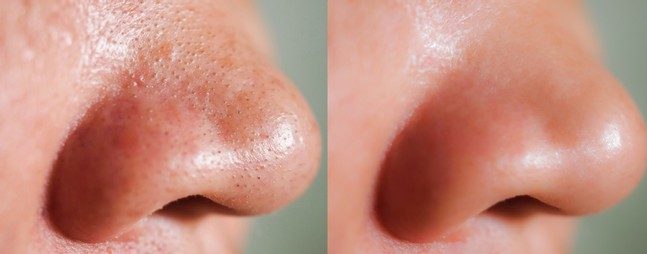
3. Reduces Pore Appearance: Tightens pores to make the skin seem smoother.
4. Regulates Oil Production: Aids in regulating the natural oil production of
the skin—the Mechanism of Action of Niacinamide.
5. Increases Collagen Production: Promotes the production of collagen, which
increases the suppleness of the skin.
6. Inhibits Melanin Production: Diminishes dark patches and hyperpigmentation.
7. Reduces inflammation: Calms and soothes the skin. ↩︎
Applications for Niacinamide?
Skincare Products:
Niacinamide is a common ingredient in moisturizers, creams,
and serum.
Acne Treatment:
Anti-Aging:
Reduces wrinkles and fine lines by increasing skin suppleness.
Concentration:
Usually used at concentrations ranging from 2 to 10%.
Usage:
Effective both morning and night, either by itself or in conjunction with other skincare products. Consequences and Safety Measures
Rare Side Effects:
Some people may experience redness, itching, or irritation.
Patch Test:
Before using a new product that contains niacinamide, always do a patch test.
Niacinamide is a multipurpose and potent skincare component that provides many advantages for the skin.